
Digital Communication Monitoring for Schools: What Athletic Directors Need to Know
 By Michael Mattia
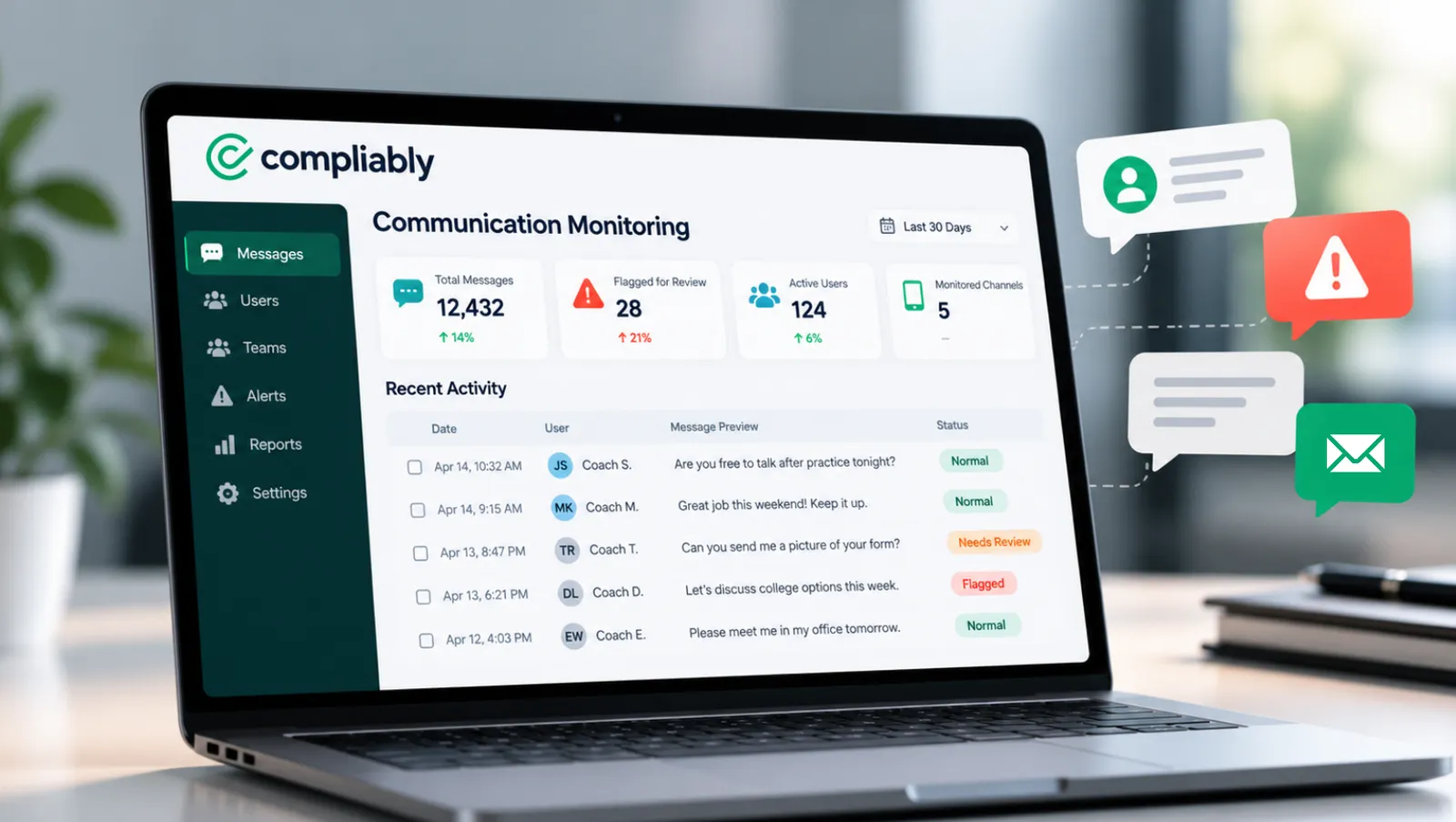
Digital communication plays a pivotal role in the daily operations of high school athletic programs. While messaging platforms make it easier than ever to share information and stay connected, they also create new challenges for athletic directors responsible for ensuring communication remains appropriate and compliant.
With conversations happening across multiple channels, maintaining consistent oversight can require more time and resources than most athletic directors can realistically devote. Ongoing communication monitoring enables athletic directors to identify potential issues early, take action and strengthen accountability without manually reviewing every interaction.
Approved Platforms Don’t Automatically Mean Effective Oversight
Schools often designate approved communication platforms to establish consistent expectations for coaches, students and families. But having these systems in place doesn’t necessarily mean communication policies are being followed.
Coaches may still use personal text messages, social media or other channels outside the school’s designated systems. Even within approved platforms, interactions may fall short of school communication standards.
The National Federation of State High School Associations (NFHS) emphasizes the importance of using school-approved channels, maintaining professional boundaries and avoiding private or secretive messaging between coaches and student-athletes. Recent legislation and enforcement activity in states such as Kentucky have also brought greater attention to inappropriate educator-student communication and the need for clear safeguards. While communication outside approved channels doesn’t automatically constitute a violation of the law, certain conduct may result in disciplinary measures, or in some cases, legal or regulatory action.
For athletic directors, responsibility goes beyond setting communication standards. It requires visibility into how coaches communicate and clear processes for recognizing potential violations and addressing them proactively.
How Digital Communication Monitoring Supports Early Intervention
Digital communication monitoring provides a more systematic way to oversee interactions on supported platforms. Through automated screening and alerts, monitoring tools can flag potentially concerning messages or patterns that warrant closer attention, giving athletic directors the information they need to respond promptly and appropriately.
Monitoring can also help preserve relevant communication records and support documentation of administrative responses. This creates a clear audit trail, allowing schools to demonstrate how concerns were handled and what steps were taken to uphold communication policies and standards.
Importantly, automated alerts aren’t definitive evidence of a policy violation. Determining an appropriate response still requires school officials to evaluate the context and exercise professional judgment.
Balancing Visibility, Privacy and Accountability
Greater visibility shouldn’t come at the expense of student privacy. Schools implementing communication monitoring should develop clear policies governing which platforms are monitored, who can access communication records, how information is retained and when concerns should be escalated.
Monitoring practices should align with applicable laws and district policies. The Family Educational Rights and Privacy Act (FERPA), for example, protects the privacy of student education records and generally restricts their disclosure without consent, subject to certain exceptions. Schools should therefore consider appropriate access controls when monitored communications qualify as protected education records.
Transparency is equally important. Coaches and staff should understand what monitoring involves, how communication records may be used and why these practices are in place. Clear expectations help build trust and reinforce accountability across the athletic program.
A More Proactive Approach to Communication Compliance
Effective digital communication oversight requires more than approved platforms and written policies. It takes clear procedures, reliable safeguards and a sustained commitment to compliance.
Compliably helps high school athletic departments put these principles into practice through ongoing communication monitoring, staff training and expert compliance support. Our integrated approach gives athletic directors the knowledge and tools to recognize potential concerns, make informed decisions and manage communication compliance with greater confidence.
Learn more about our digital communication monitoring services.
Keep this resource handy: Download a free PDF of this article to save and share with your coaches or fellow athletic administrators.